


























1 / 10
0
Views
0
Downloads


0 Likes
Advanced Conditional Probability Worksheet
0 Views
0 Downloads
Paste this activity's link or code into your existing LMS (Google Classroom, Canvas, Teams, Schoology, Moodle, etc.).
Students can open and work on the activity right away, with no student login required.
You'll still be able to track student progress and results from your teacher account.
Information
Description
What It Is:
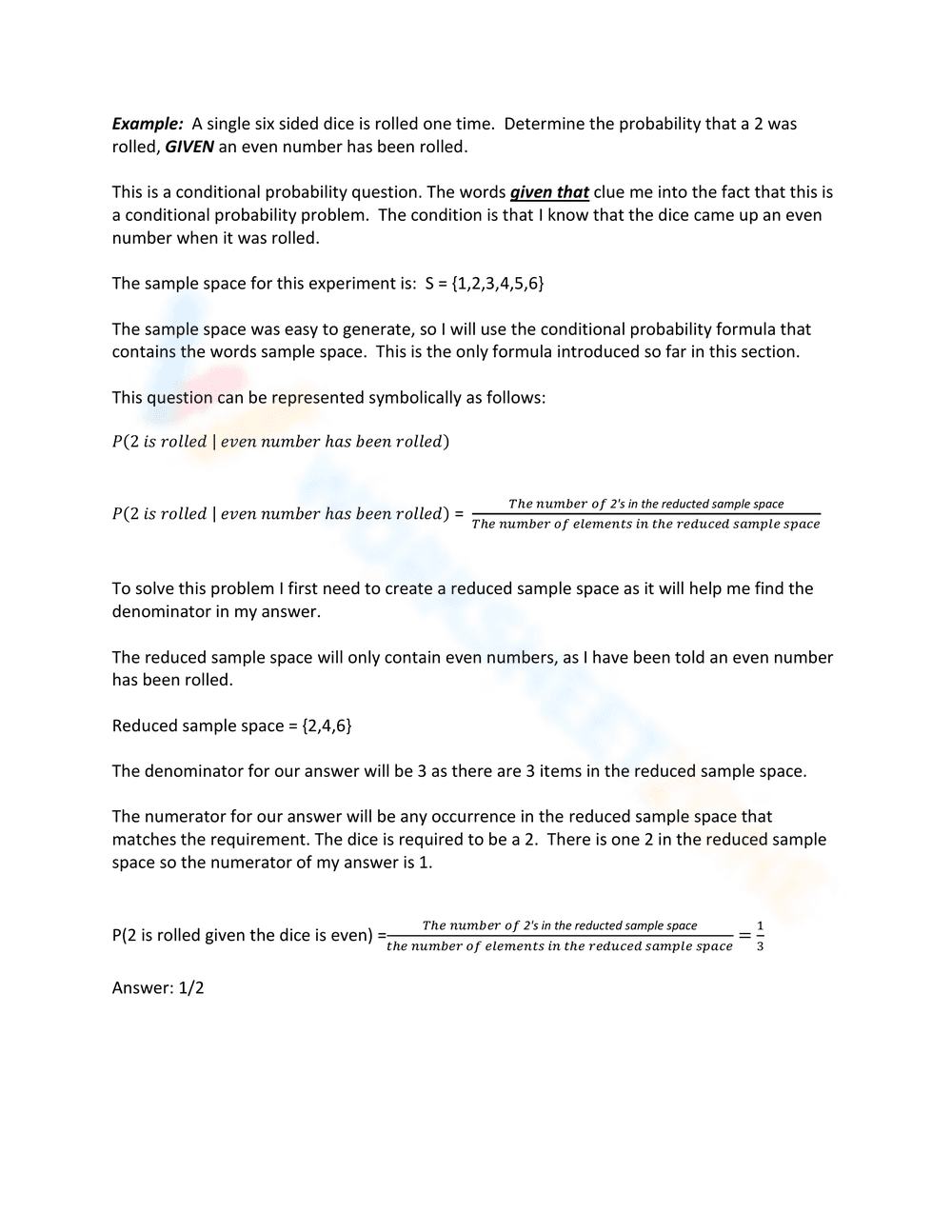
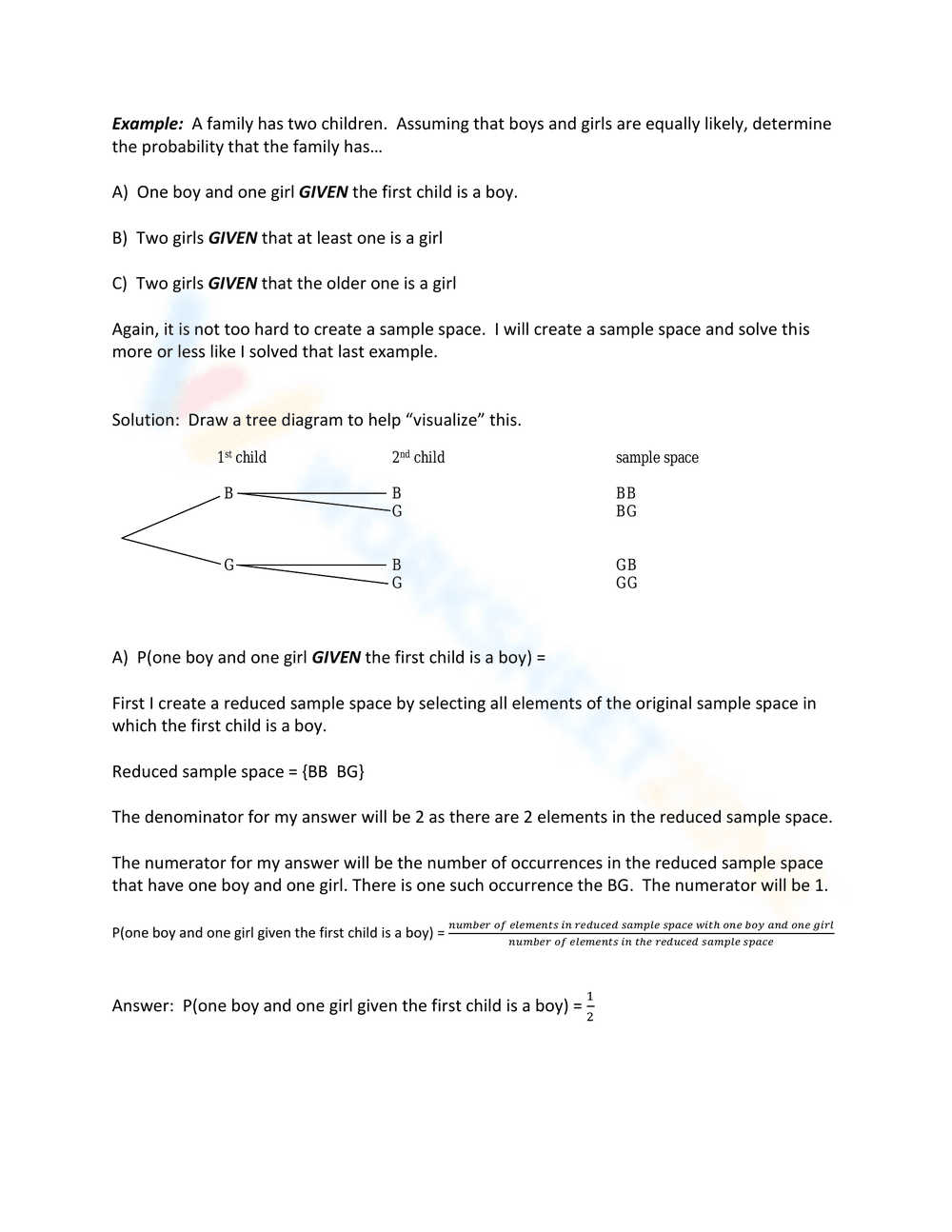
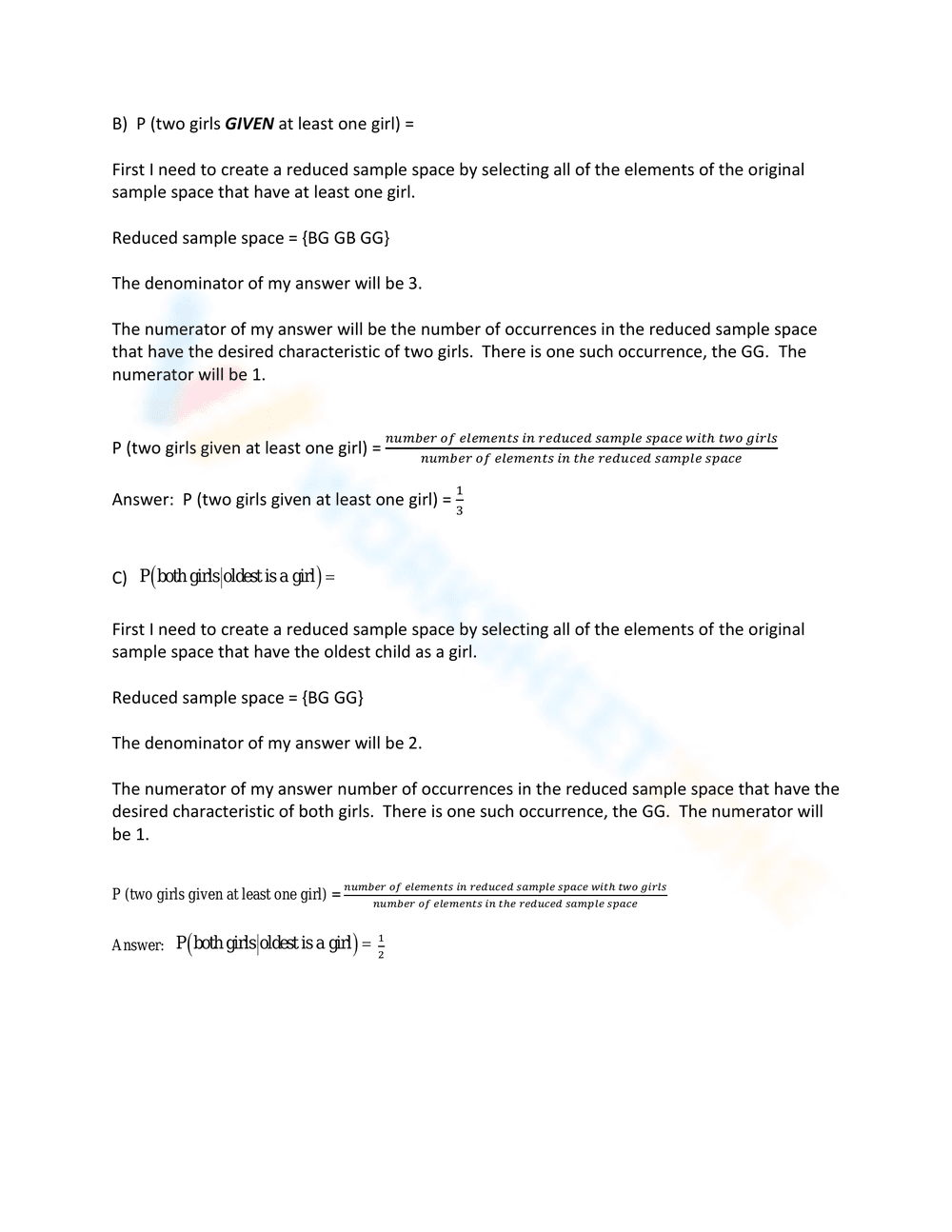
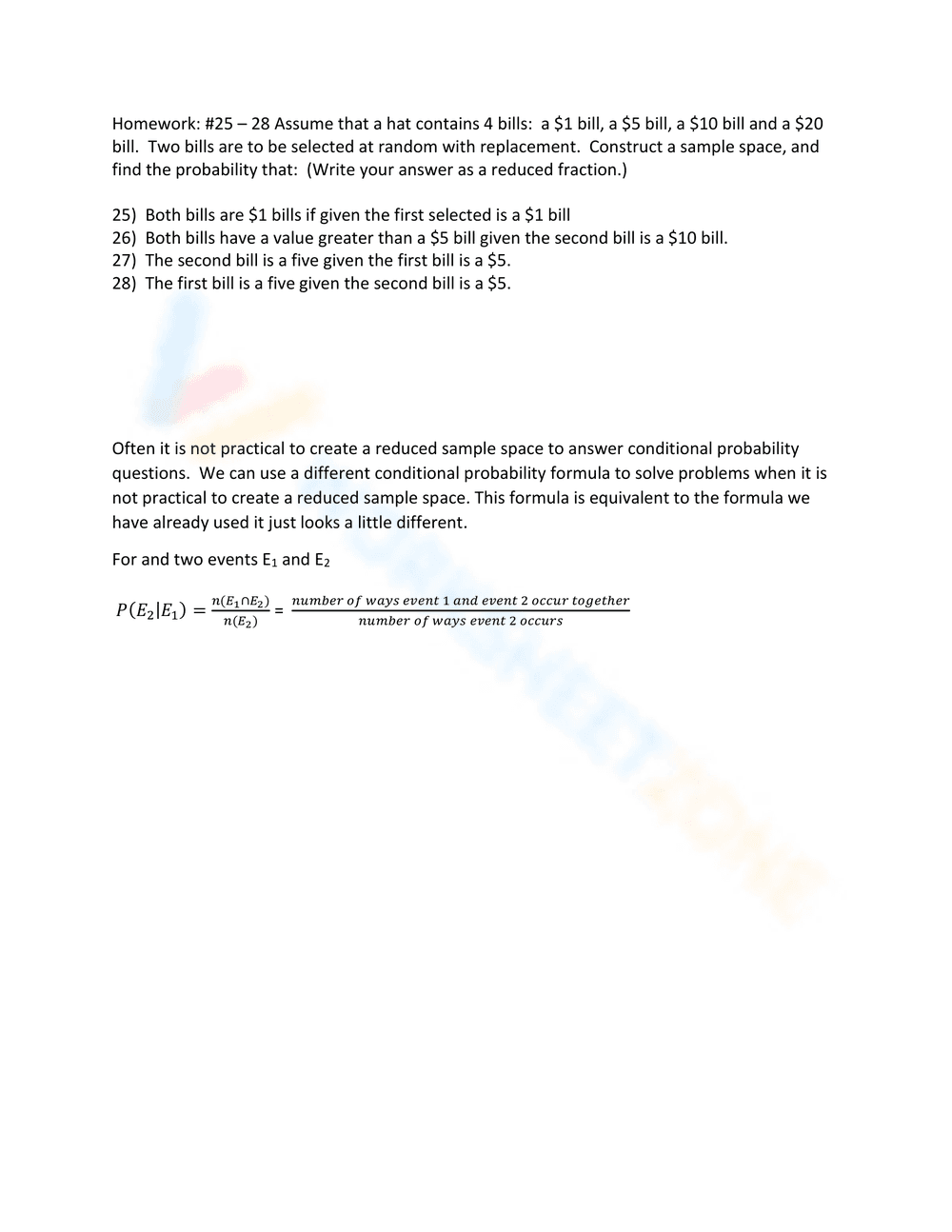
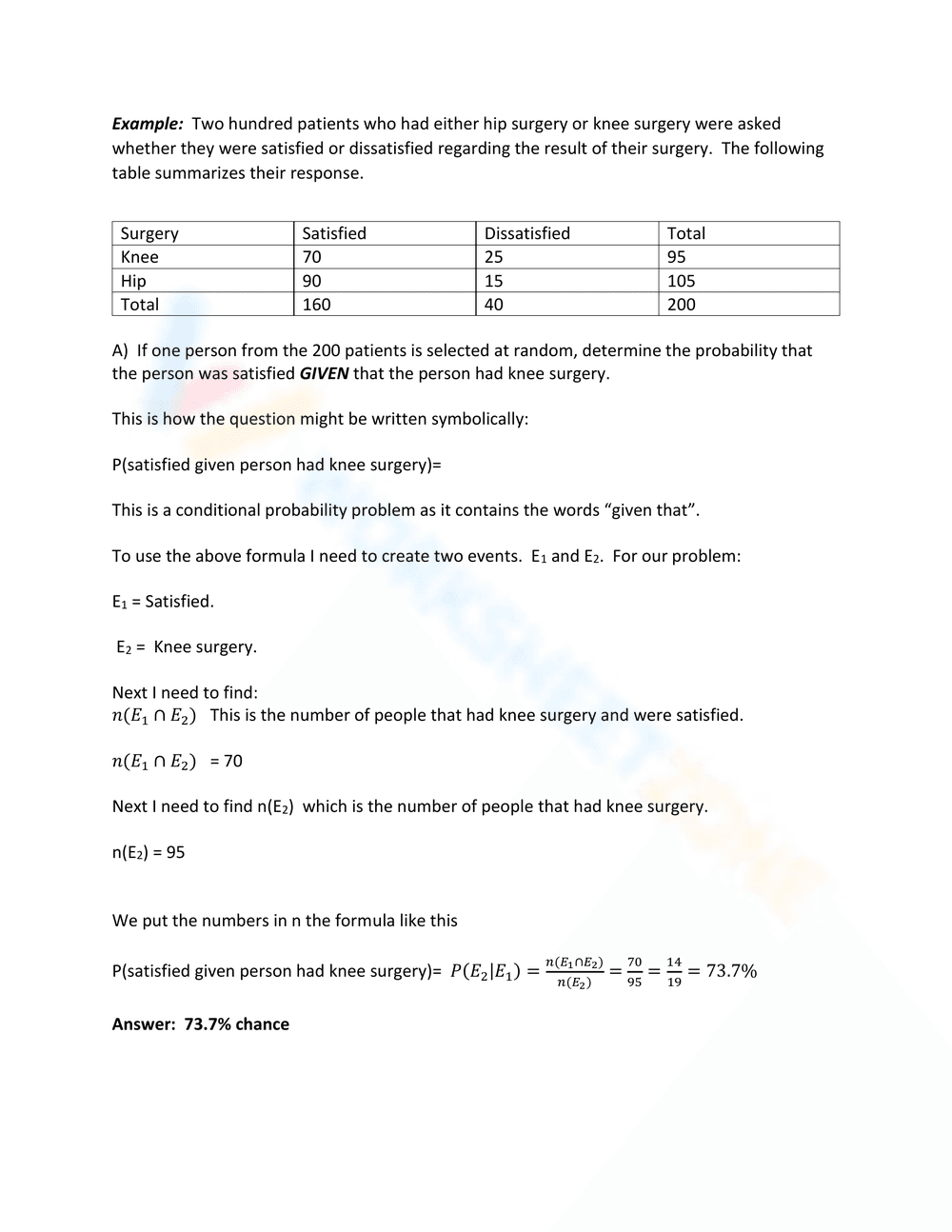
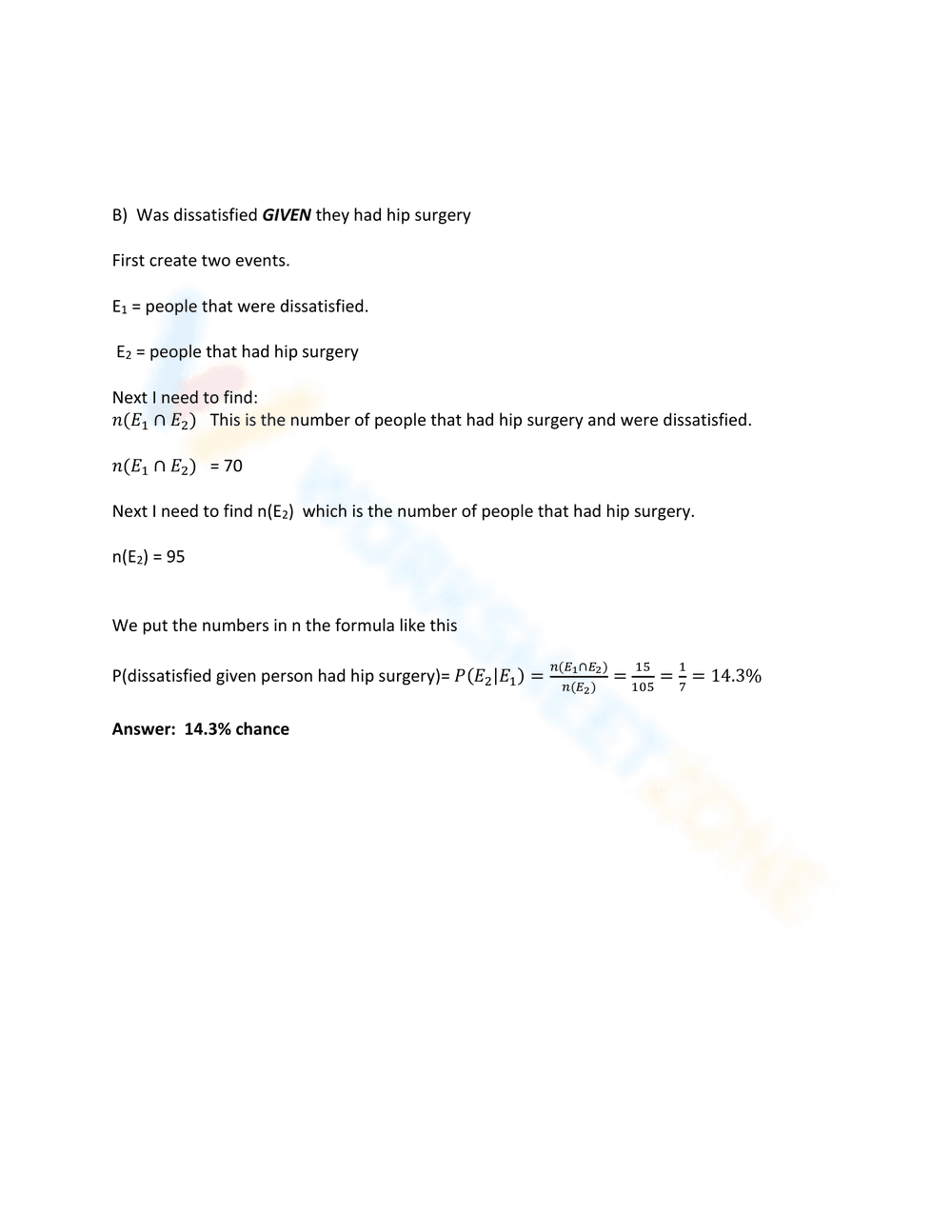
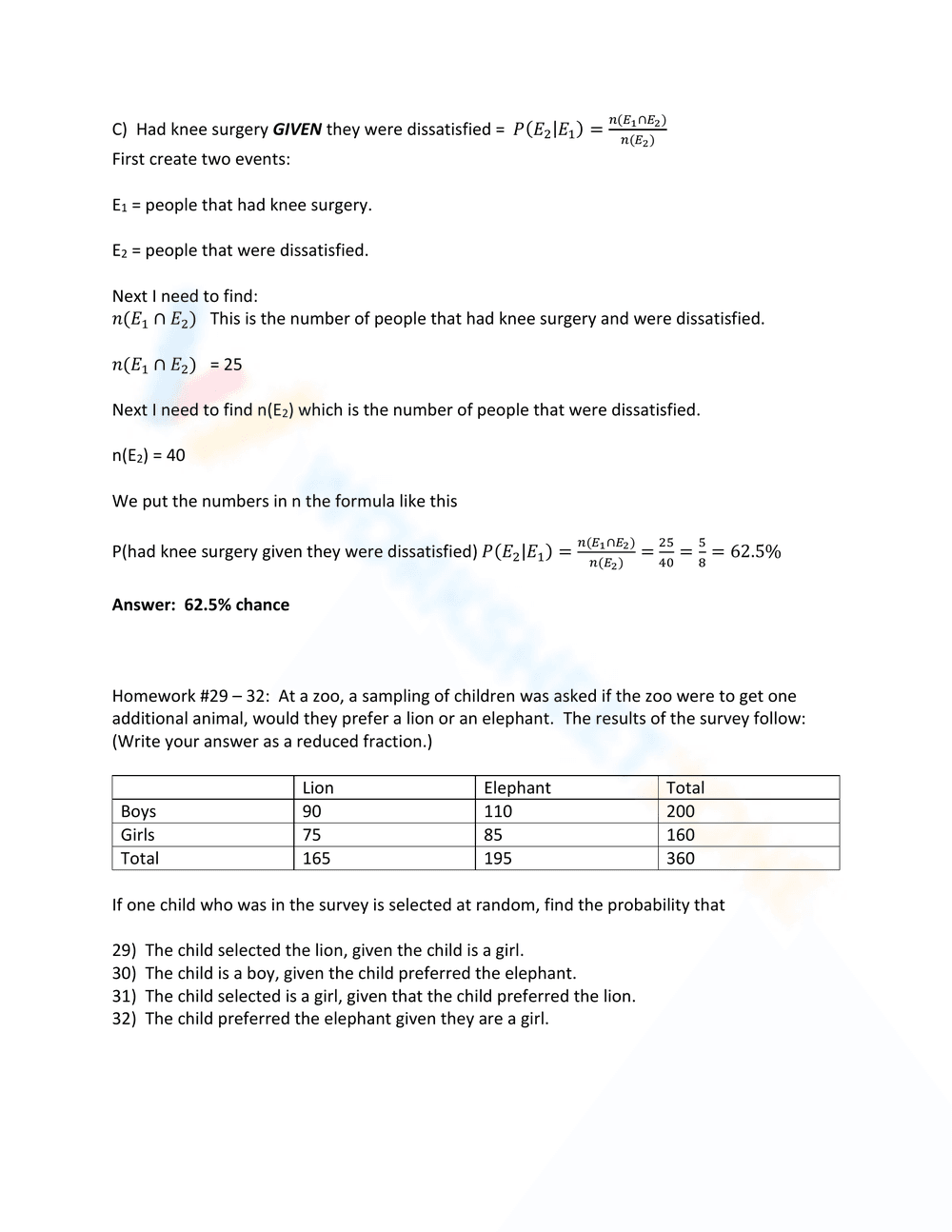
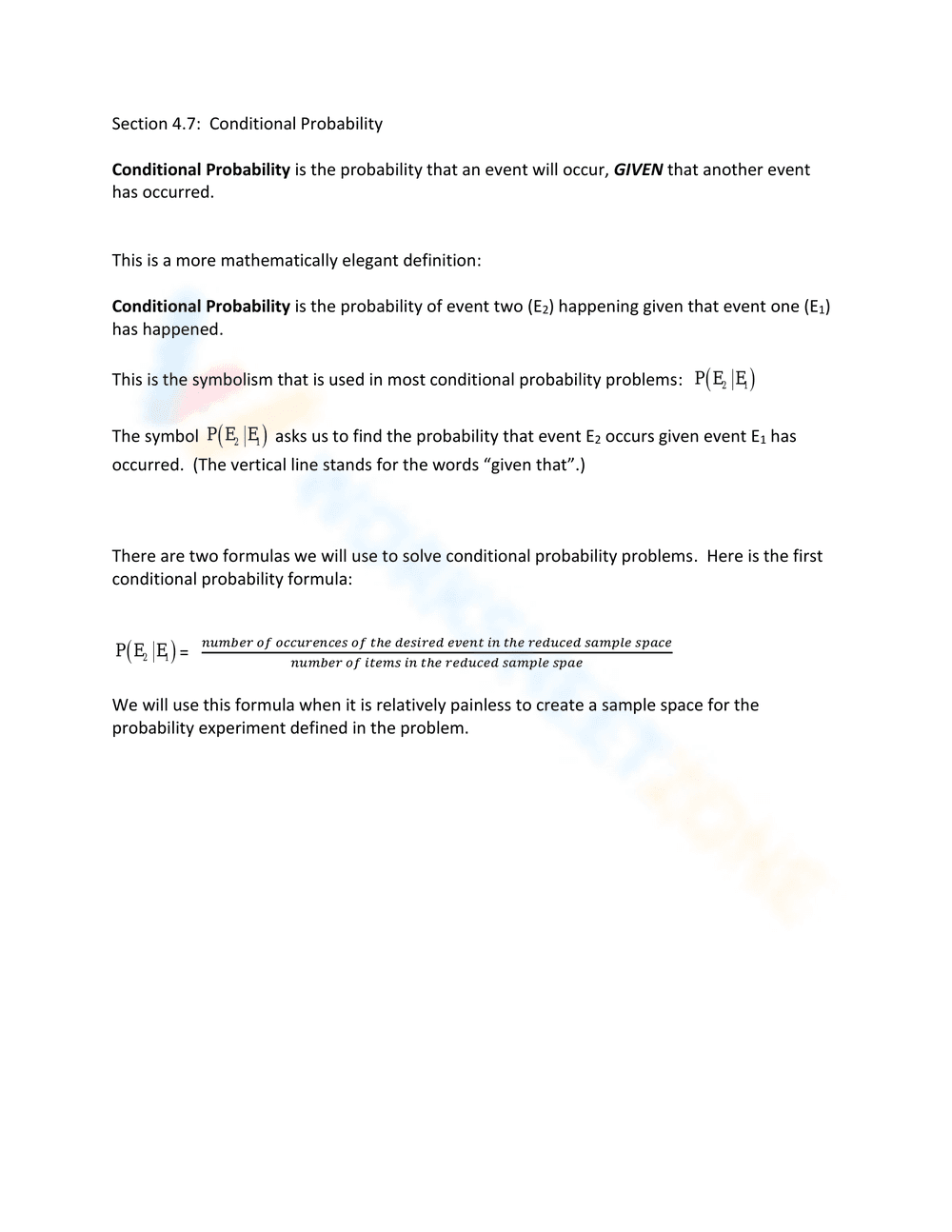
This is an educational worksheet page introducing the concept of conditional probability. It defines conditional probability, explains the notation P(E1|E2), and provides the first formula for calculating conditional probability: P(E1|E2) = (number of occurrences of the desired event in the reduced sample space) / (number of items in the reduced sample space). It also describes when to use this particular formula.
Grade Level Suitability:
This worksheet is suitable for high school (Grades 10-12) or introductory college-level probability and statistics courses. The concepts and notation used require a solid foundation in basic probability and set theory.
Why Use It:
This worksheet helps students understand the definition and notation of conditional probability. It introduces the formula for calculating conditional probability when it is easy to create a sample space, and prepares them for more complex conditional probability problems.
How to Use It:
Use this worksheet as an introduction to conditional probability. Read the definitions and explanations carefully. Use the formula to solve simple conditional probability problems where creating a reduced sample space is straightforward.
Target Users:
This worksheet is intended for students learning about probability, specifically conditional probability. It's useful for high school math students, college students in introductory statistics courses, and anyone wanting to learn about conditional probability.
This is an educational worksheet page introducing the concept of conditional probability. It defines conditional probability, explains the notation P(E1|E2), and provides the first formula for calculating conditional probability: P(E1|E2) = (number of occurrences of the desired event in the reduced sample space) / (number of items in the reduced sample space). It also describes when to use this particular formula.
Grade Level Suitability:
This worksheet is suitable for high school (Grades 10-12) or introductory college-level probability and statistics courses. The concepts and notation used require a solid foundation in basic probability and set theory.
Why Use It:
This worksheet helps students understand the definition and notation of conditional probability. It introduces the formula for calculating conditional probability when it is easy to create a sample space, and prepares them for more complex conditional probability problems.
How to Use It:
Use this worksheet as an introduction to conditional probability. Read the definitions and explanations carefully. Use the formula to solve simple conditional probability problems where creating a reduced sample space is straightforward.
Target Users:
This worksheet is intended for students learning about probability, specifically conditional probability. It's useful for high school math students, college students in introductory statistics courses, and anyone wanting to learn about conditional probability.


