


























1 / 6
0
Views
0
Downloads





0 Likes
Drugs and Consciousness Webquest
0 Views
0 Downloads
Paste this activity's link or code into your existing LMS (Google Classroom, Canvas, Teams, Schoology, Moodle, etc.).
Students can open and work on the activity right away, with no student login required.
You'll still be able to track student progress and results from your teacher account.
Information
Description
What It Is:
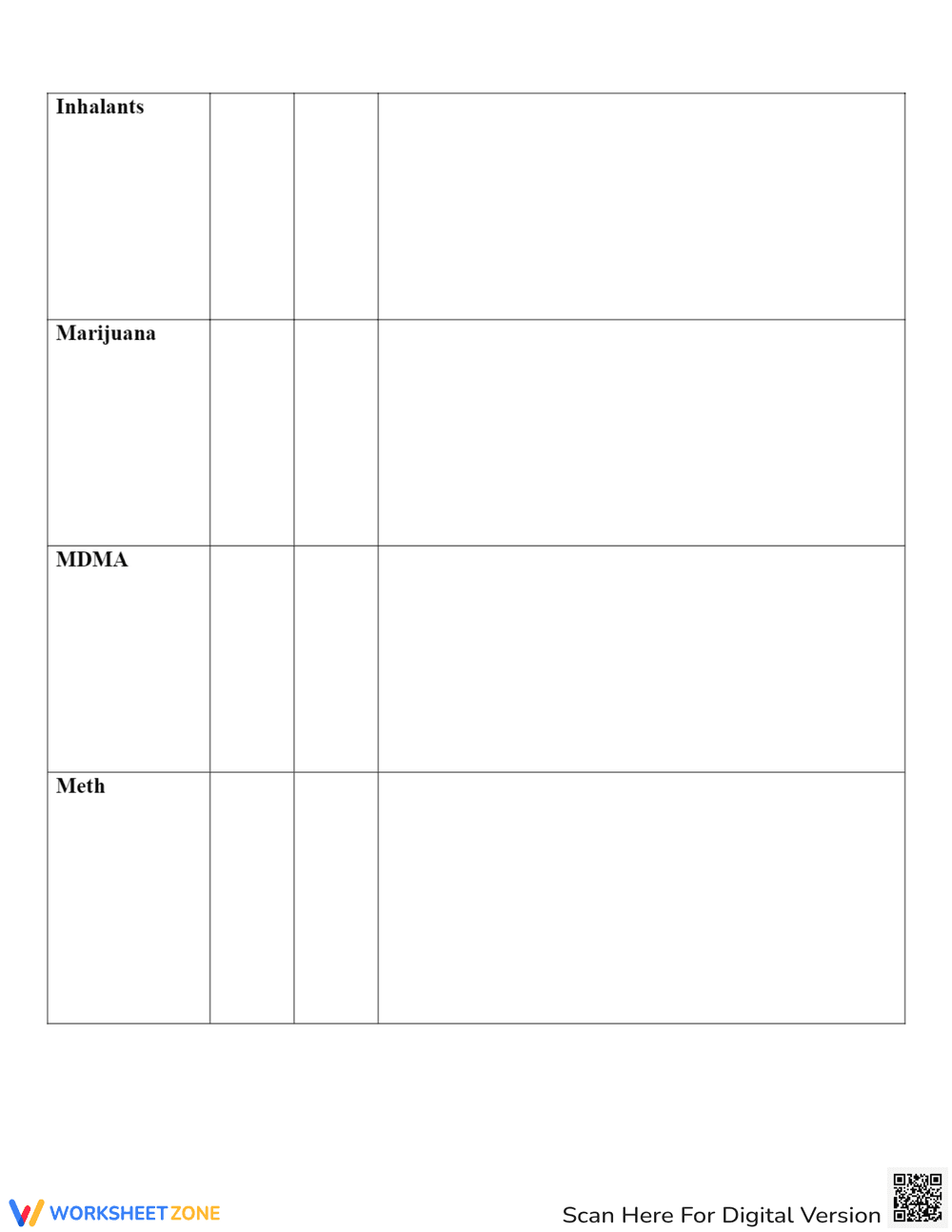
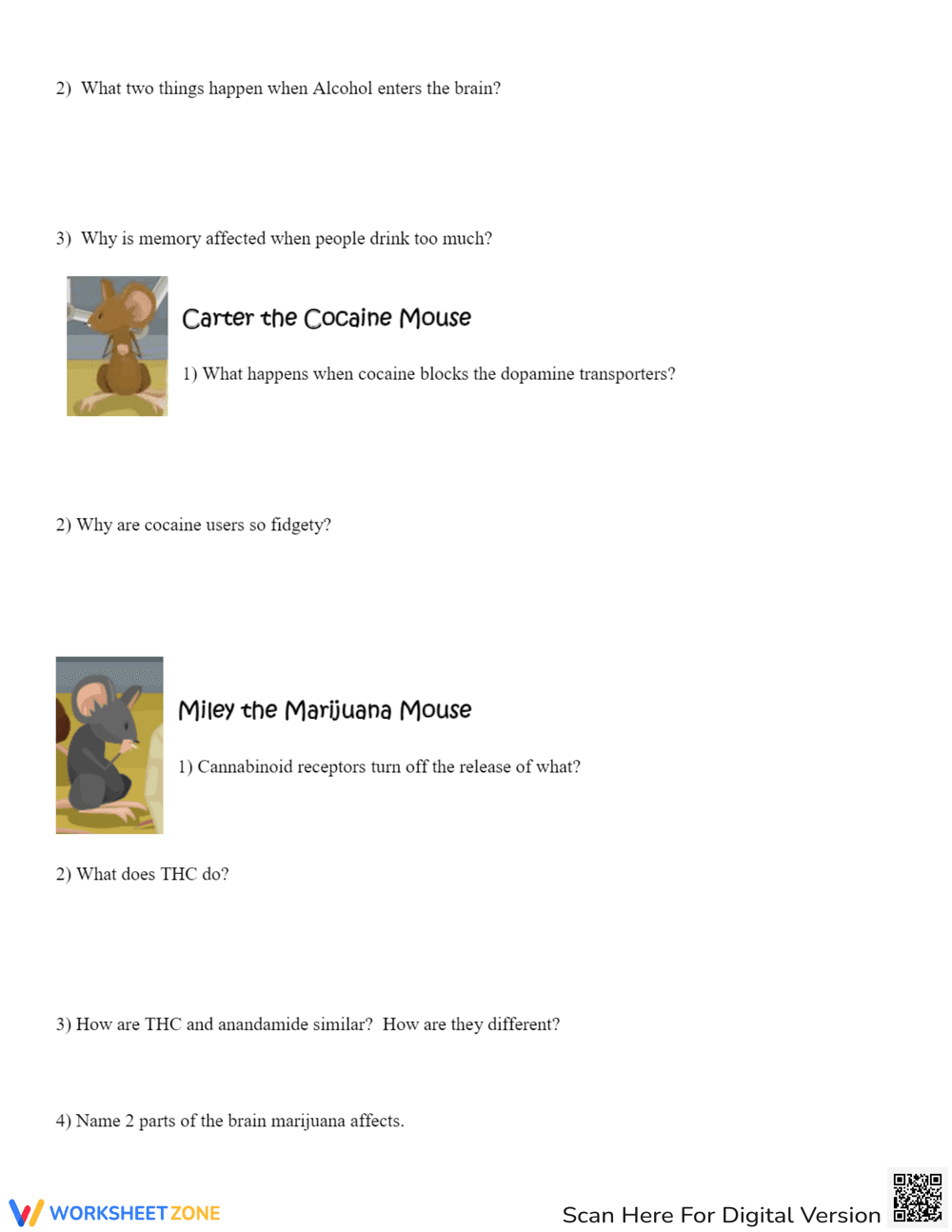
This is a worksheet for an AP Psychology unit on States of Consciousness, specifically focusing on drugs and their impact on the brain's reward pathway. The worksheet directs students to a webquest on the University of Utah's 'Learn.Genetics' website about addiction. The activities include reviewing a movie on neuron communication, explaining changes related to drug use over time, and explaining pathways related to GABA, Glutamate, Dopamine, and Serotonin.
Grade Level Suitability:
This worksheet is most suitable for grades 11-12, specifically for AP Psychology students. The content requires an understanding of complex biological and psychological concepts related to neuroscience and addiction, which is typically covered at the advanced high school level.
Why Use It:
This worksheet helps students explore the neurological effects of drugs on the brain's reward system. It promotes critical thinking and research skills by guiding students through an interactive webquest. It also reinforces understanding of key neurotransmitters and their roles in addiction.
How to Use It:
Students should first access the provided URL and review the 'Crossing the Divide' movie. Then, navigate through the website, following the instructions to explain changes related to drug use over time. Finally, students should explain the pathways involving GABA, Glutamate, Dopamine, and Serotonin based on the 'Beyond the Reward Pathway' section of the webquest.
Target Users:
The target users are high school students enrolled in AP Psychology courses, particularly those studying the unit on States of Consciousness and the impact of drugs on the brain. It is also suitable for teachers looking for engaging and interactive resources to supplement their curriculum on addiction and neuroscience.
This is a worksheet for an AP Psychology unit on States of Consciousness, specifically focusing on drugs and their impact on the brain's reward pathway. The worksheet directs students to a webquest on the University of Utah's 'Learn.Genetics' website about addiction. The activities include reviewing a movie on neuron communication, explaining changes related to drug use over time, and explaining pathways related to GABA, Glutamate, Dopamine, and Serotonin.
Grade Level Suitability:
This worksheet is most suitable for grades 11-12, specifically for AP Psychology students. The content requires an understanding of complex biological and psychological concepts related to neuroscience and addiction, which is typically covered at the advanced high school level.
Why Use It:
This worksheet helps students explore the neurological effects of drugs on the brain's reward system. It promotes critical thinking and research skills by guiding students through an interactive webquest. It also reinforces understanding of key neurotransmitters and their roles in addiction.
How to Use It:
Students should first access the provided URL and review the 'Crossing the Divide' movie. Then, navigate through the website, following the instructions to explain changes related to drug use over time. Finally, students should explain the pathways involving GABA, Glutamate, Dopamine, and Serotonin based on the 'Beyond the Reward Pathway' section of the webquest.
Target Users:
The target users are high school students enrolled in AP Psychology courses, particularly those studying the unit on States of Consciousness and the impact of drugs on the brain. It is also suitable for teachers looking for engaging and interactive resources to supplement their curriculum on addiction and neuroscience.


