


























1 / 8
0
Views
0
Downloads




0.0
0
0 Likes
Master Electronegativity and Bonding
0 Views
0 Downloads
Paste this activity's link or code into your existing LMS (Google Classroom, Canvas, Teams, Schoology, Moodle, etc.).
Students can open and work on the activity right away, with no student login required.
You'll still be able to track student progress and results from your teacher account.
Information
Description
What It Is:
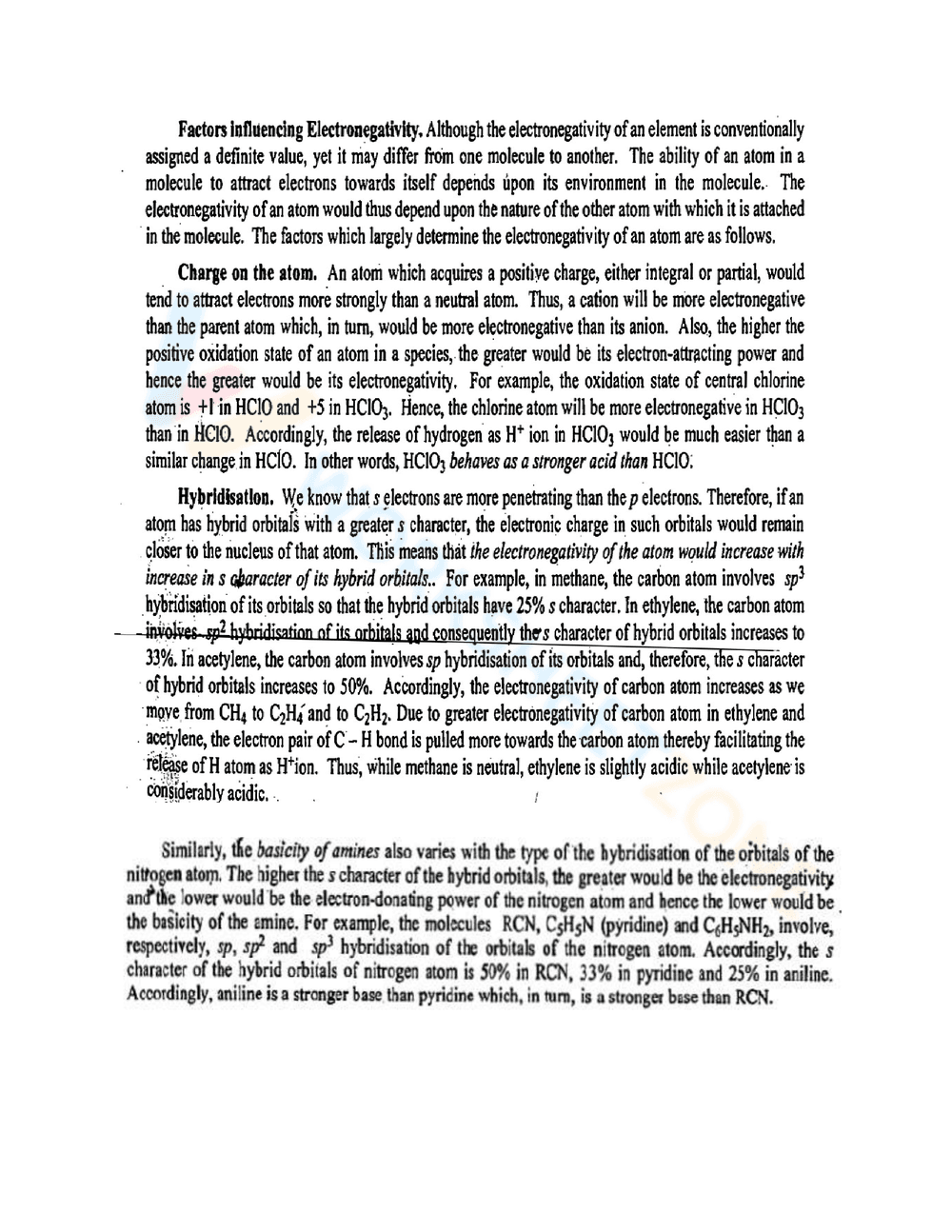
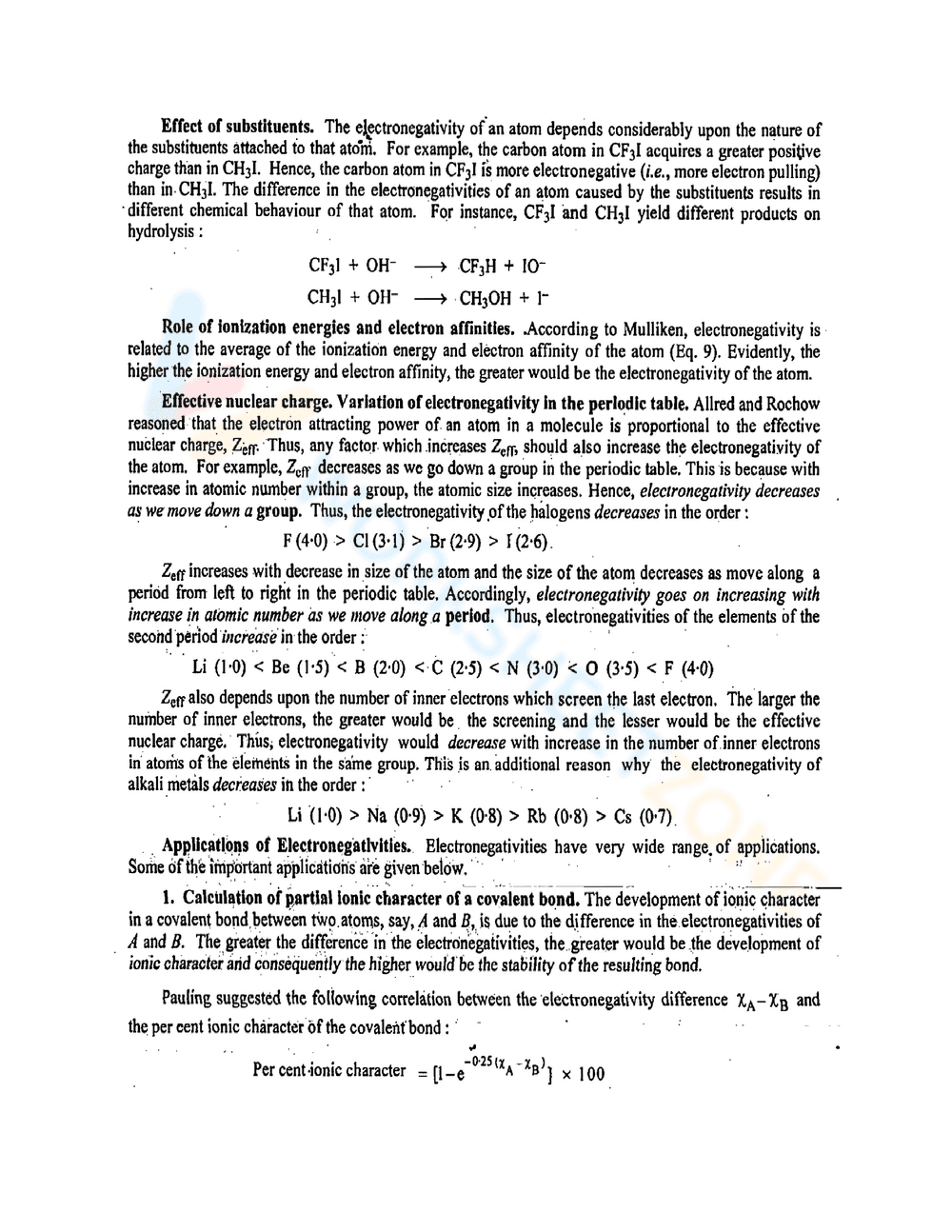
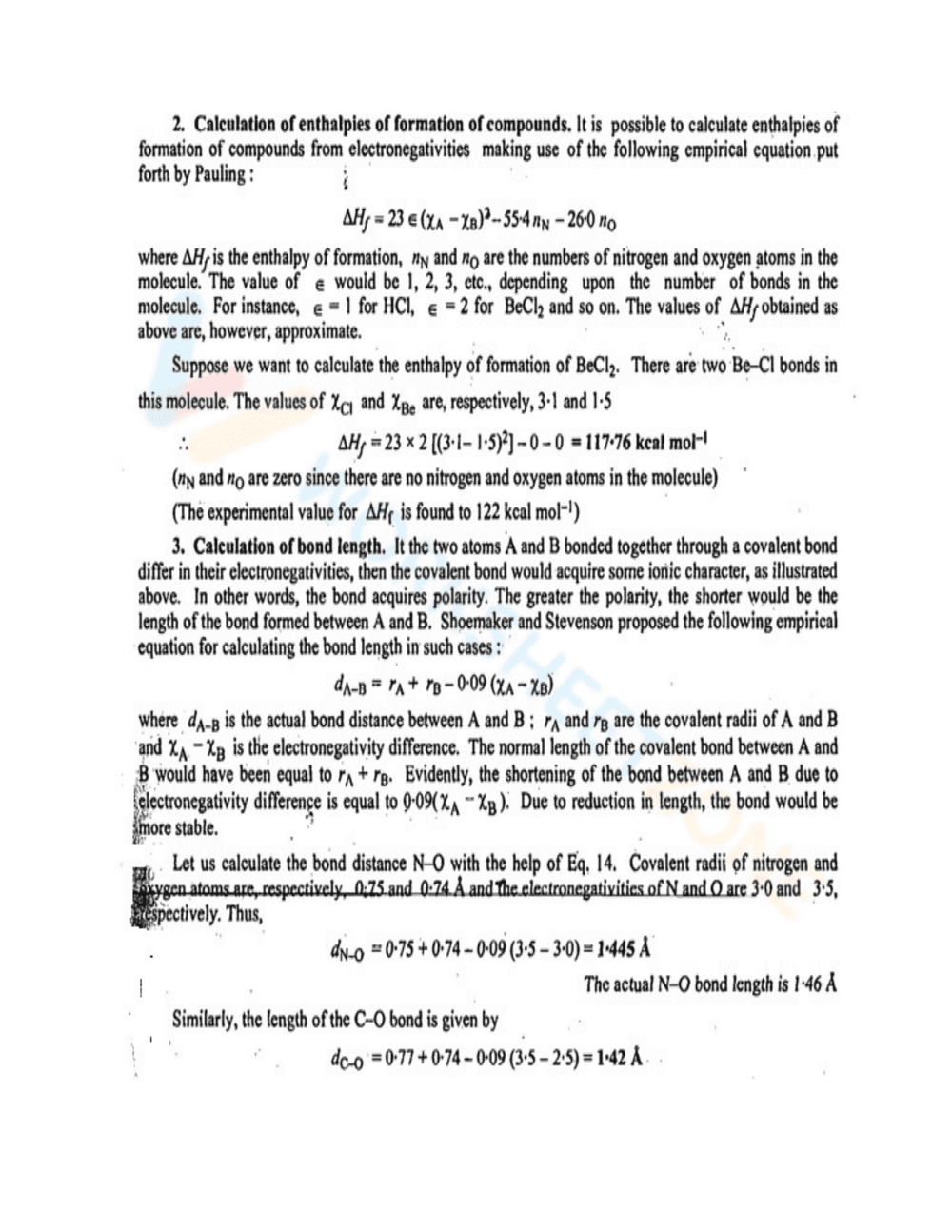
This is an educational worksheet focusing on the concept of electronegativity in chemistry. It provides a brief definition of electronegativity as the ability of an atom to attract electrons in a chemical bond. The worksheet includes a color-coded periodic table displaying electronegativity values for various elements based on the Pauling scale. A legend explains the color scale corresponding to different electronegativity ranges.
Grade Level Suitability:
This worksheet is suitable for high school chemistry students (Grades 9-12). The content requires an understanding of atomic structure, chemical bonding, and the periodic table, which are typically covered in high school level chemistry courses.
Why Use It:
This worksheet helps students understand the concept of electronegativity and its relationship to the periodic table. It visually demonstrates the trends in electronegativity across the periodic table, allowing students to easily compare the electronegativity values of different elements. This supports learning about chemical bonding and predicting bond polarity.
How to Use It:
The worksheet can be used as a reference guide or as part of a lesson on electronegativity. Students can use the periodic table provided to look up electronegativity values for elements and analyze trends. The text at the top can be used as a starting point for understanding the definition and properties of electronegativity.
Target Users:
The target users are high school chemistry students, chemistry teachers, and anyone studying or teaching basic chemistry concepts related to electronegativity and chemical bonding.
This is an educational worksheet focusing on the concept of electronegativity in chemistry. It provides a brief definition of electronegativity as the ability of an atom to attract electrons in a chemical bond. The worksheet includes a color-coded periodic table displaying electronegativity values for various elements based on the Pauling scale. A legend explains the color scale corresponding to different electronegativity ranges.
Grade Level Suitability:
This worksheet is suitable for high school chemistry students (Grades 9-12). The content requires an understanding of atomic structure, chemical bonding, and the periodic table, which are typically covered in high school level chemistry courses.
Why Use It:
This worksheet helps students understand the concept of electronegativity and its relationship to the periodic table. It visually demonstrates the trends in electronegativity across the periodic table, allowing students to easily compare the electronegativity values of different elements. This supports learning about chemical bonding and predicting bond polarity.
How to Use It:
The worksheet can be used as a reference guide or as part of a lesson on electronegativity. Students can use the periodic table provided to look up electronegativity values for elements and analyze trends. The text at the top can be used as a starting point for understanding the definition and properties of electronegativity.
Target Users:
The target users are high school chemistry students, chemistry teachers, and anyone studying or teaching basic chemistry concepts related to electronegativity and chemical bonding.


