


























1 / 5
0
Views
0
Downloads




0.0
0
0 Likes
Heating and Cooling Curves Worksheet
0 Views
0 Downloads
Paste this activity's link or code into your existing LMS (Google Classroom, Canvas, Teams, Schoology, Moodle, etc.).
Students can open and work on the activity right away, with no student login required.
You'll still be able to track student progress and results from your teacher account.
Information
Description
What It Is:
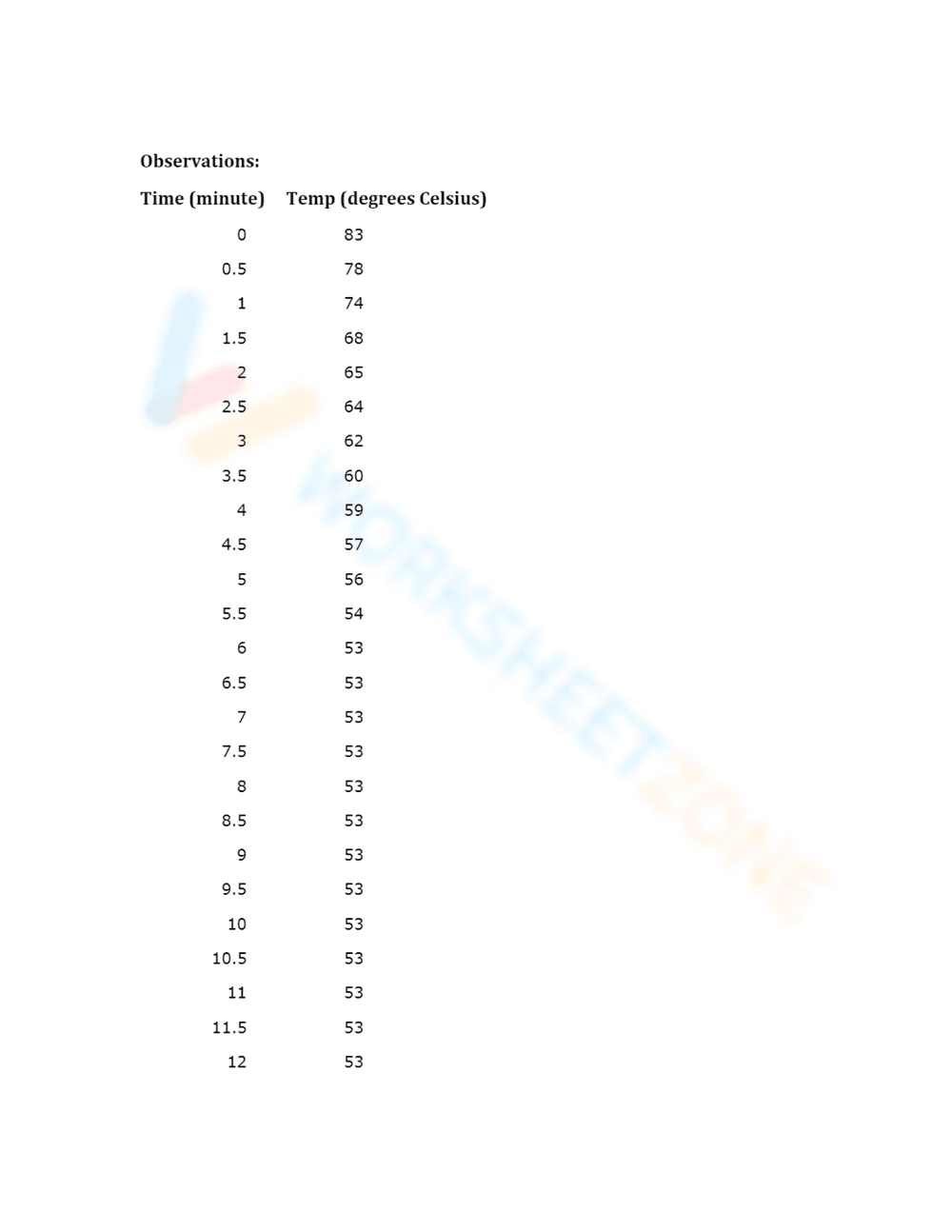
This is a pre-lab worksheet for a science experiment focusing on heat transfer and phase changes. It includes sections for pre-lab information, the purpose of the experiment (studying the effects of heating and cooling a substance), materials needed (referencing lab pages 89-90, with a note about substituting lauric acid for steric acid), safety precautions (avoiding contact with vapors, wearing goggles, and handling mercury thermometers carefully), and procedures (involving heating and cooling steric acid, recording temperature changes every 30 seconds between 45 and 80 degrees Celsius).
Grade Level Suitability:
Grades 9-12 (High School). The experiment involves understanding concepts like heat transfer, phase changes, and careful data collection, which are typically covered in high school science courses like chemistry or physics. The safety precautions also necessitate a level of maturity usually found in older students.
Why Use It:
This worksheet helps students prepare for a hands-on experiment by outlining the purpose, materials, safety considerations, and procedures. It promotes understanding of heat transfer, phase changes (freezing and melting points), and data collection techniques. It also emphasizes lab safety.
How to Use It:
Students should read and understand each section before beginning the lab. They need to gather the listed materials (or alternative materials as indicated) and familiarize themselves with the safety precautions. During the experiment, they should follow the procedure step-by-step, recording temperature data accurately every 30 seconds.
Target Users:
High school science students (grades 9-12) enrolled in chemistry or physics courses, as well as their teachers. It's designed for students performing a lab experiment on heat transfer and phase changes of substances.
This is a pre-lab worksheet for a science experiment focusing on heat transfer and phase changes. It includes sections for pre-lab information, the purpose of the experiment (studying the effects of heating and cooling a substance), materials needed (referencing lab pages 89-90, with a note about substituting lauric acid for steric acid), safety precautions (avoiding contact with vapors, wearing goggles, and handling mercury thermometers carefully), and procedures (involving heating and cooling steric acid, recording temperature changes every 30 seconds between 45 and 80 degrees Celsius).
Grade Level Suitability:
Grades 9-12 (High School). The experiment involves understanding concepts like heat transfer, phase changes, and careful data collection, which are typically covered in high school science courses like chemistry or physics. The safety precautions also necessitate a level of maturity usually found in older students.
Why Use It:
This worksheet helps students prepare for a hands-on experiment by outlining the purpose, materials, safety considerations, and procedures. It promotes understanding of heat transfer, phase changes (freezing and melting points), and data collection techniques. It also emphasizes lab safety.
How to Use It:
Students should read and understand each section before beginning the lab. They need to gather the listed materials (or alternative materials as indicated) and familiarize themselves with the safety precautions. During the experiment, they should follow the procedure step-by-step, recording temperature data accurately every 30 seconds.
Target Users:
High school science students (grades 9-12) enrolled in chemistry or physics courses, as well as their teachers. It's designed for students performing a lab experiment on heat transfer and phase changes of substances.


