


























1 / 16
0
Views
0
Downloads



0 Likes
Probability of a Compound Event Worksheet
0 Views
0 Downloads
Paste this activity's link or code into your existing LMS (Google Classroom, Canvas, Teams, Schoology, Moodle, etc.).
Students can open and work on the activity right away, with no student login required.
You'll still be able to track student progress and results from your teacher account.
Information
Description
What It Is:
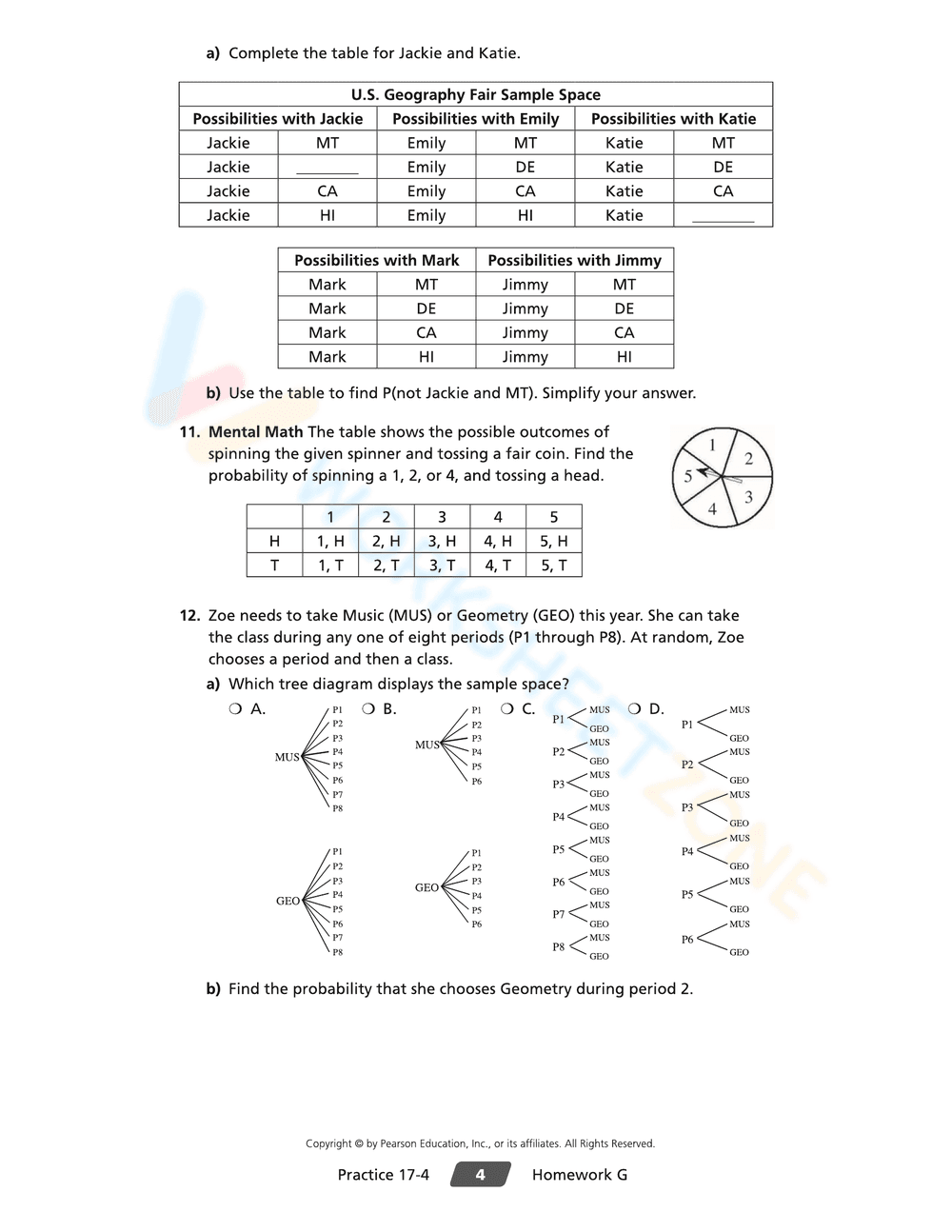
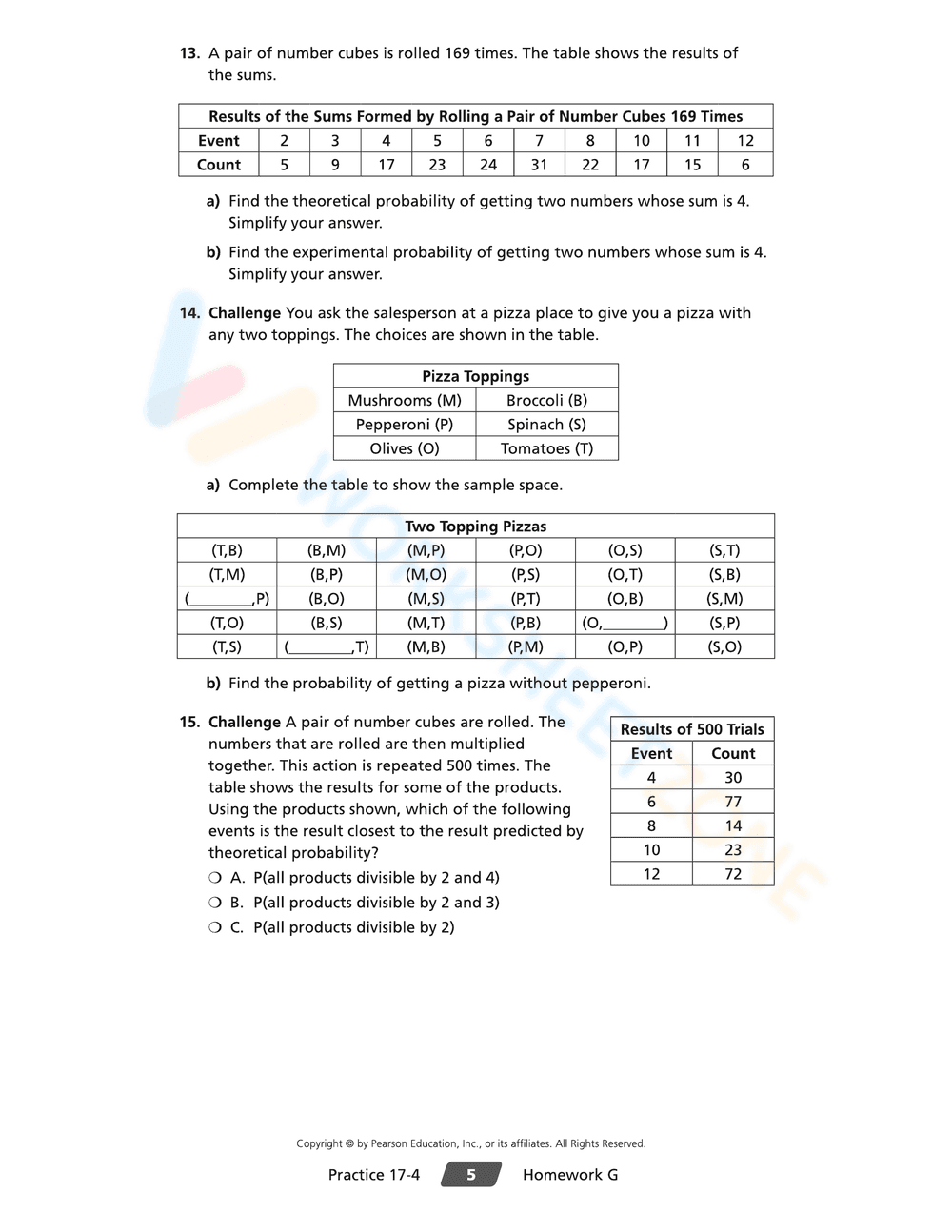
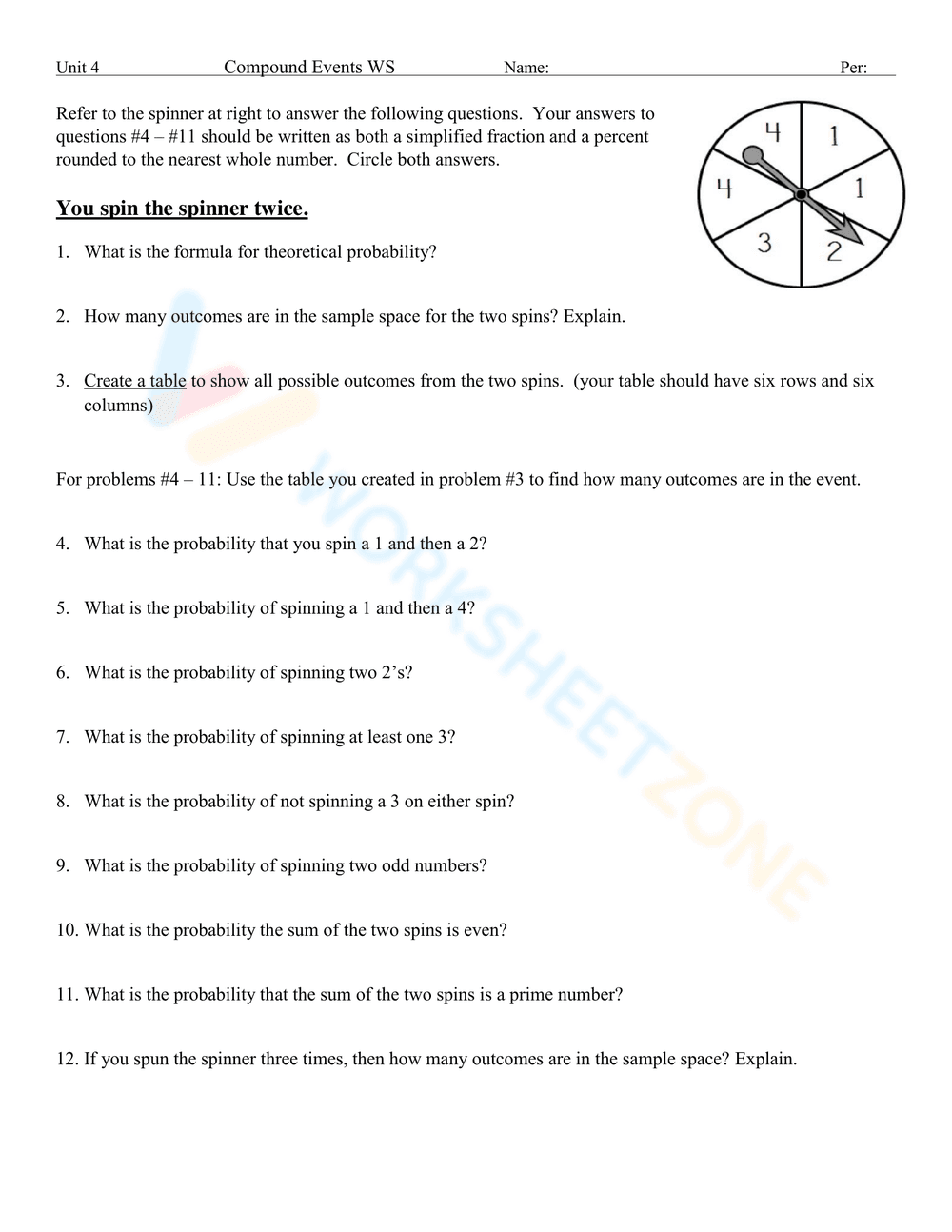
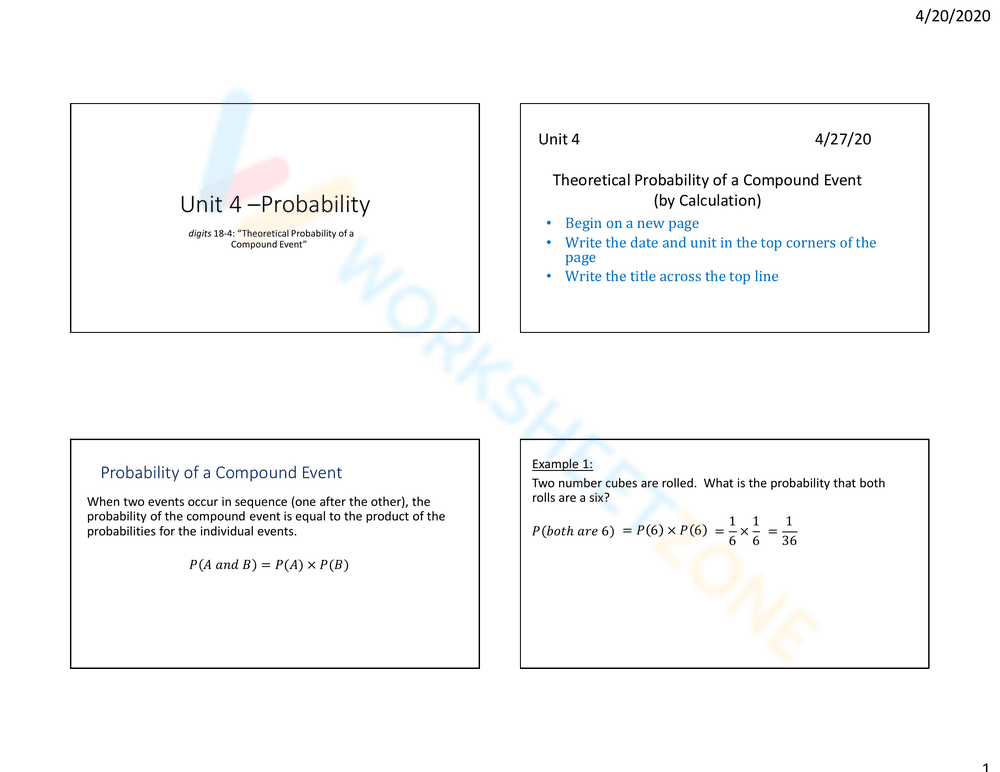
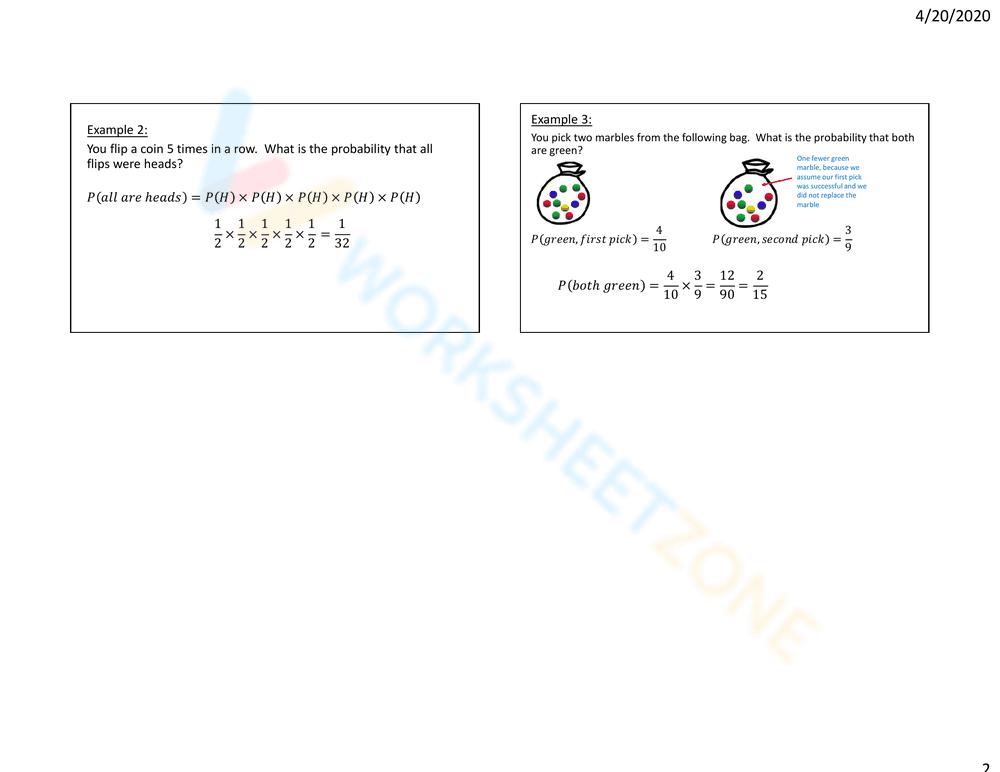
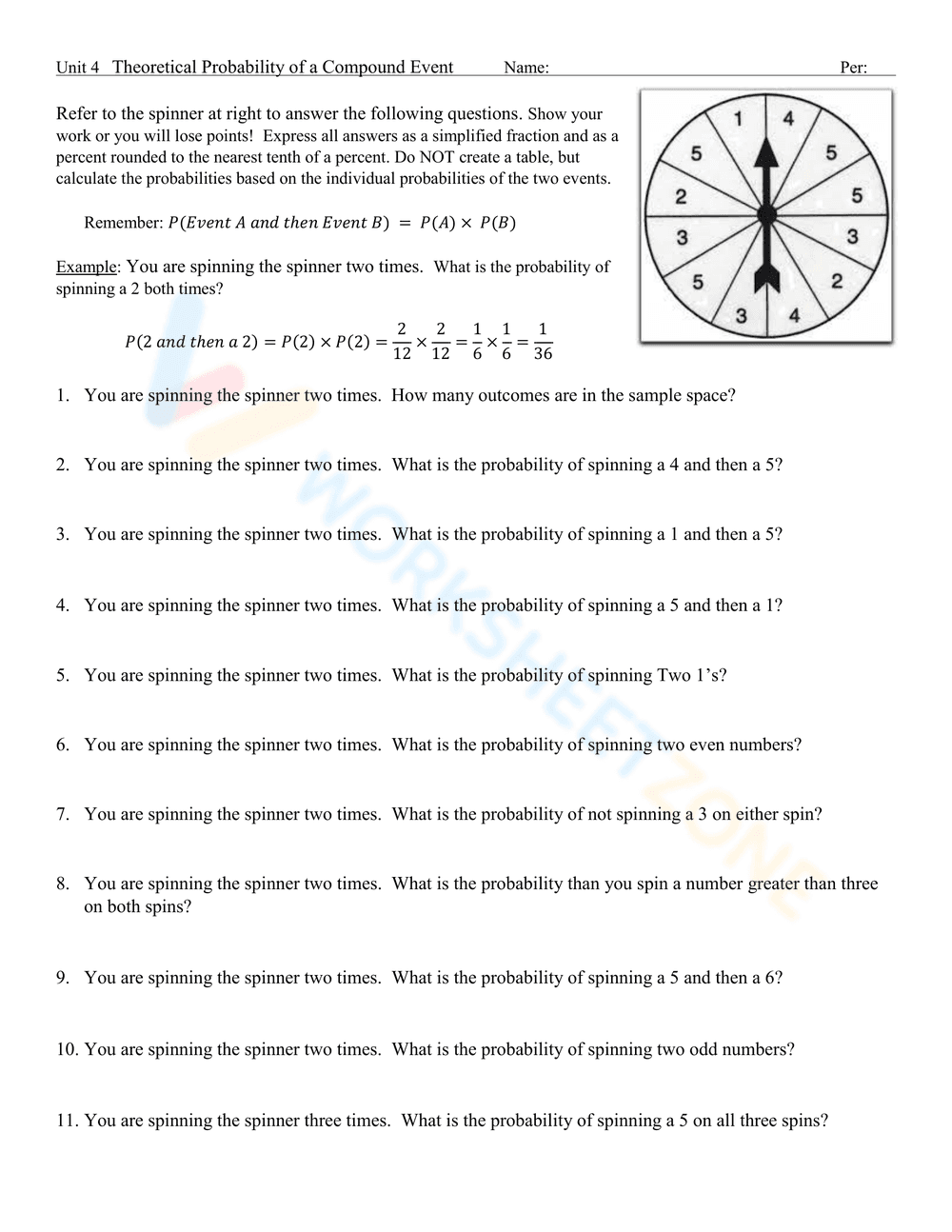
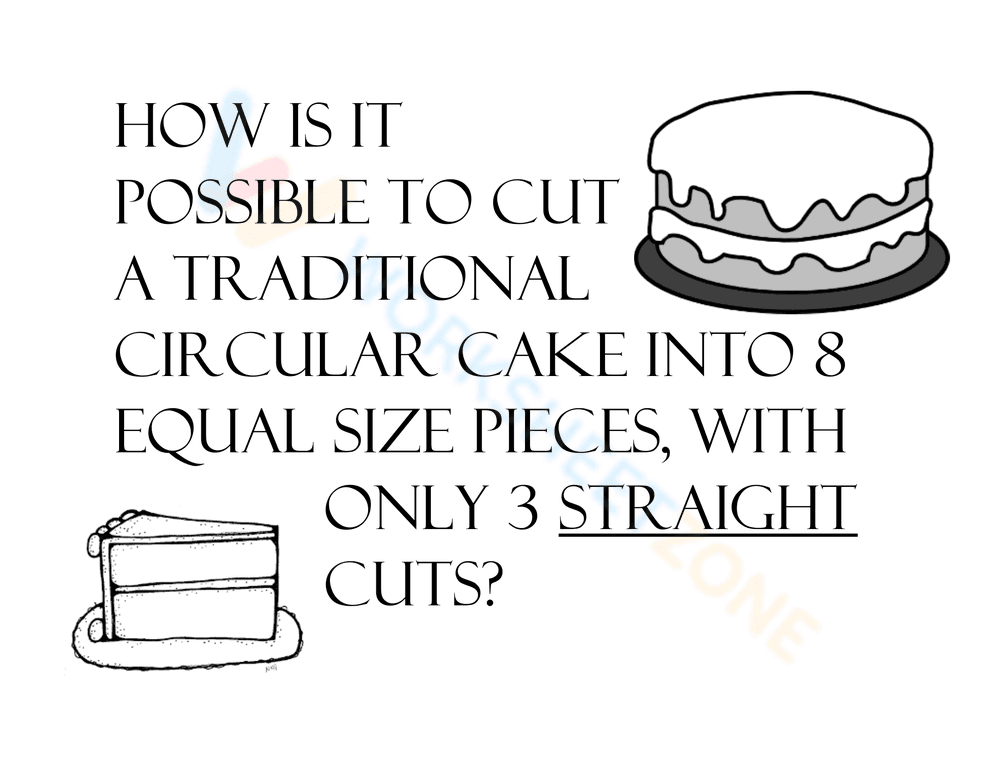
This is a worksheet outlining assignments for Week 2 (April 27-May 1) focusing on the probability of compound events. It includes a goal to use ordered lists, tables, and tree diagrams to determine sample space and calculate probabilities. It provides contact information for the instructor, details on accessing assignments through a digital platform ('digits') or via paper packets picked up from the George Kelly office, and lists specific assignments including Lesson 18.4, homework, and worksheets on compound events. It also includes a bonus logic problem about cake cutting.
Grade Level Suitability:
Based on the content involving probability, sample space, and compound events, this worksheet is likely suitable for grades 7-9, potentially even early high school (grade 9), depending on the curriculum. The tasks involve theoretical probability and calculations, suggesting a middle school to early high school mathematics level.
Why Use It:
This worksheet helps students understand compound probability by using various methods like lists, tables, and tree diagrams. It reinforces the concepts of sample space and theoretical probability through practical problems and provides options for both digital and non-digital learners. The bonus logic problem encourages critical thinking.
How to Use It:
Students can access the digital lessons through their 'digits' account, complete practice problems on paper or in a notebook, or pick up a physical packet from the designated office. They should work through the assigned lesson, homework, and worksheets, focusing on understanding the concepts of sample space and calculating probabilities. Completed assignments can be submitted digitally or returned to the George Kelly office.
Target Users:
The target users are middle school or early high school students (grades 7-9) who are learning about probability and compound events. It's also suitable for students who have access to digital resources and those who prefer a paper-based approach to learning.
This is a worksheet outlining assignments for Week 2 (April 27-May 1) focusing on the probability of compound events. It includes a goal to use ordered lists, tables, and tree diagrams to determine sample space and calculate probabilities. It provides contact information for the instructor, details on accessing assignments through a digital platform ('digits') or via paper packets picked up from the George Kelly office, and lists specific assignments including Lesson 18.4, homework, and worksheets on compound events. It also includes a bonus logic problem about cake cutting.
Grade Level Suitability:
Based on the content involving probability, sample space, and compound events, this worksheet is likely suitable for grades 7-9, potentially even early high school (grade 9), depending on the curriculum. The tasks involve theoretical probability and calculations, suggesting a middle school to early high school mathematics level.
Why Use It:
This worksheet helps students understand compound probability by using various methods like lists, tables, and tree diagrams. It reinforces the concepts of sample space and theoretical probability through practical problems and provides options for both digital and non-digital learners. The bonus logic problem encourages critical thinking.
How to Use It:
Students can access the digital lessons through their 'digits' account, complete practice problems on paper or in a notebook, or pick up a physical packet from the designated office. They should work through the assigned lesson, homework, and worksheets, focusing on understanding the concepts of sample space and calculating probabilities. Completed assignments can be submitted digitally or returned to the George Kelly office.
Target Users:
The target users are middle school or early high school students (grades 7-9) who are learning about probability and compound events. It's also suitable for students who have access to digital resources and those who prefer a paper-based approach to learning.


